How to Write Better AI Tattoo Generator Prompts
A practical prompt framework for turning a loose tattoo idea into a cleaner, more useful AI tattoo design.

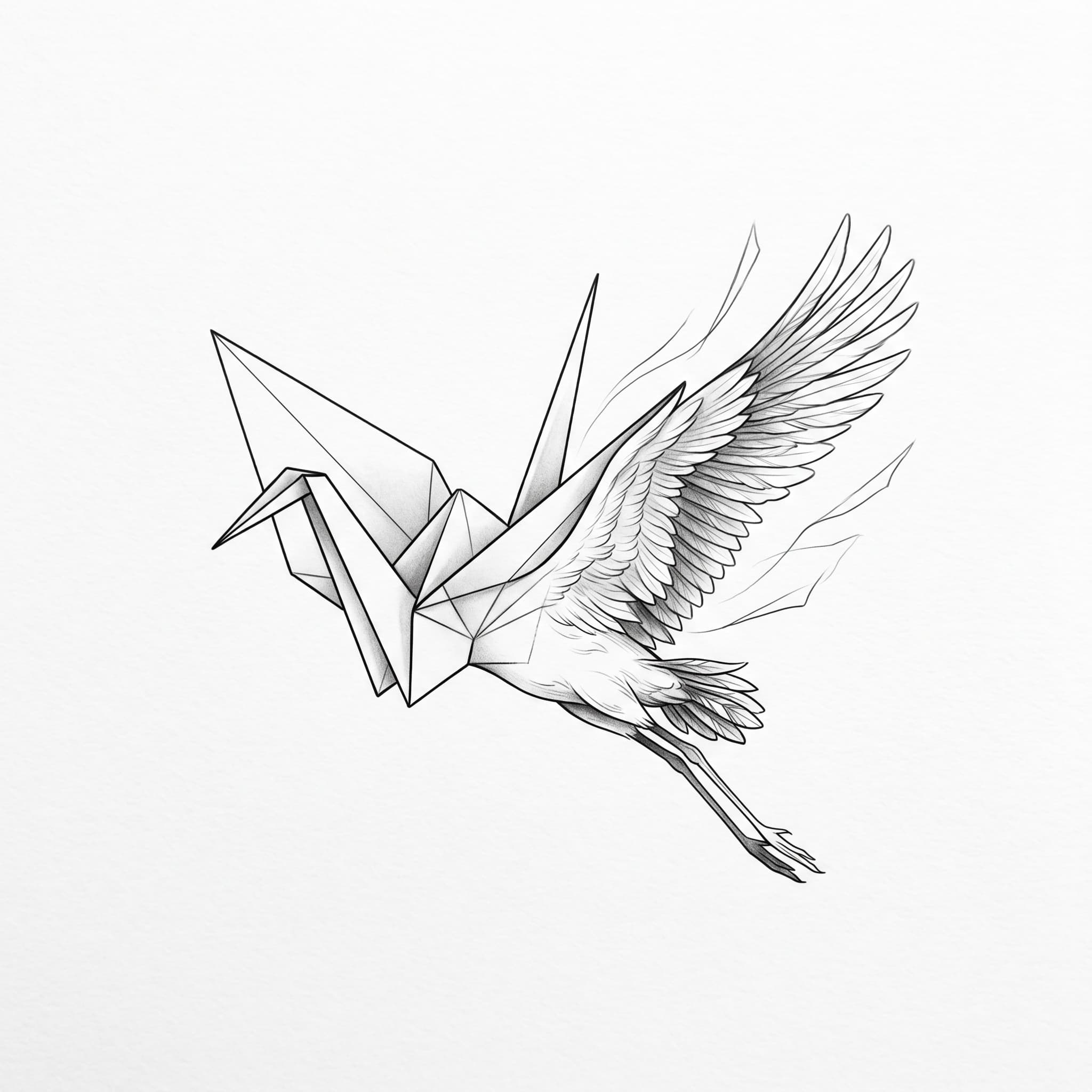
Most tattoo ideas start as a mix of references, feelings, symbols, and placement guesses. That is normal. The hard part is turning that loose idea into a visual direction that an AI Tattoo Generator, a tattoo artist, or a friend can understand.
BeforeOuch works best when your prompt gives the generator a clear subject, style, composition, and constraint. You do not need to write a long paragraph. You need to give the right details in the right order.
Quick answer: A strong AI tattoo prompt includes the main subject, tattoo style, intended placement, composition, and practical constraints. For example: "fine line moth tattoo for the inner forearm, vertical composition, delicate dot shading, clean black ink, no background." This gives the generator enough direction to create a useful tattoo reference.
Start with the core subject
Lead with the main thing the tattoo should show. Be direct:
- "a fine line moth with crescent moon details"
- "a traditional flash dagger wrapped in roses"
- "a geometric wolf head with symmetrical linework"
- "a small memorial tattoo with a lily and initials"
Avoid starting with vague mood words like "beautiful" or "meaningful." Those can help later, but the generator first needs to know what to draw.
Add the tattoo style
Tattoo style changes everything: line weight, shading, negative space, and how the design will age on skin. Add one style instead of mixing too many:
- fine line
- traditional flash
- micro realism
- geometric
- watercolor
- illustrative
- minimalist
A prompt like "dragon tattoo" is broad. "Japanese inspired dragon tattoo, black ink, flowing composition, bold linework" gives the generator a much clearer target.
Describe placement and shape
Even if you are only generating the design, placement matters. A forearm tattoo needs a different composition than a chest piece or wrist tattoo.
Add placement clues like:
- vertical forearm layout
- compact wrist design
- wide upper back composition
- narrow rib tattoo
- circular shoulder piece
This helps the output feel usable instead of just decorative.
Control complexity
Good tattoo concepts are not always detailed. Some of the best designs are simple because they leave room for clean lines and readable shapes.
Use constraints when needed:
- "minimal detail"
- "large readable shapes"
- "clean stencil-friendly lines"
- "no background"
- "high contrast black ink"
- "balanced negative space"
These phrases help the design stay closer to something a tattoo artist can actually use as a reference.
Use one clear prompt formula
Try this structure:
Subject + style + placement + composition + constraints
Example:
A fine line moth tattoo for the inner forearm, vertical composition, crescent moon above the wings, delicate dot shading, clean black ink, no background.
Another example:
Traditional flash tiger head tattoo, bold black outlines, limited red and gold color, centered composition, clean white background, stencil-ready design.
Use the formula as a starting point, then adjust it for the body area. A wrist tattoo usually needs simpler detail than an upper arm or back piece, and a vertical forearm concept needs a different composition than a circular shoulder design.
Iterate one thing at a time
If the first result is close, do not rewrite everything. Change one variable:
- swap the style
- simplify the details
- change the placement
- ask for stronger linework
- remove background elements
This makes each generation useful because you can see what changed.
Bring the result to your artist
An AI tattoo design should be treated as a starting point, not a final stencil. Use BeforeOuch to explore direction, compare styles, and explain your idea clearly. Then let a professional tattoo artist adapt it for your body, skin, size, and long-term readability.
The best prompt is not the most poetic one. It is the one that helps you and your artist make a better decision before the needle gets involved.